Taroudant is one of Morocco’s most beautiful and least-visited secrets — an ancient walled city nestled at the foot of the snow-capped Atlas Mountains, just 80 km east of Agadir. Known as the “Grandmother of Marrakech,” Taroudant offers everything that makes Morocco magical — rose-tinted ramparts, labyrinthine medina streets, vibrant souks, and authentic Berber culture — without the crowds, the hustle, or the tourist prices of the more famous imperial cities. If you visit Agadir and never make it to Taroudant, you have missed the soul of the Souss region entirely.
What Is Taroudant?
Taroudant is the capital of the Taroudant Province and one of the oldest continuously inhabited cities in Morocco, with roots stretching back to the 11th century. It served as the first capital of the Saadian dynasty in the 16th century, and the prosperity of that era is still visible in the city’s magnificent earthen ramparts — some of the best-preserved in all of Morocco — that stretch for nearly 7.5 km around the old city. Today Taroudant has a population of around 80,000 and retains an unhurried, deeply traditional character that feels entirely different from the tourist-facing cities of the north.
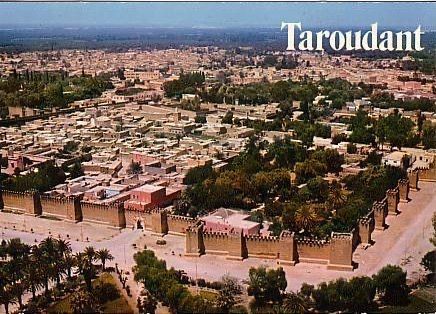
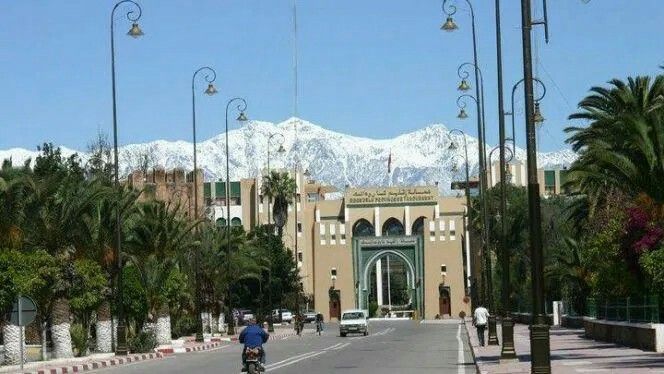
The city sits in the fertile Souss plain, a vast agricultural valley ringed by the High Atlas to the north and the Anti-Atlas to the south. On clear winter mornings, the sight of Taroudant’s ochre walls backed by gleaming snow-covered peaks is breathtaking — one of those views that stays with you long after you return home.
The Ramparts of Taroudant
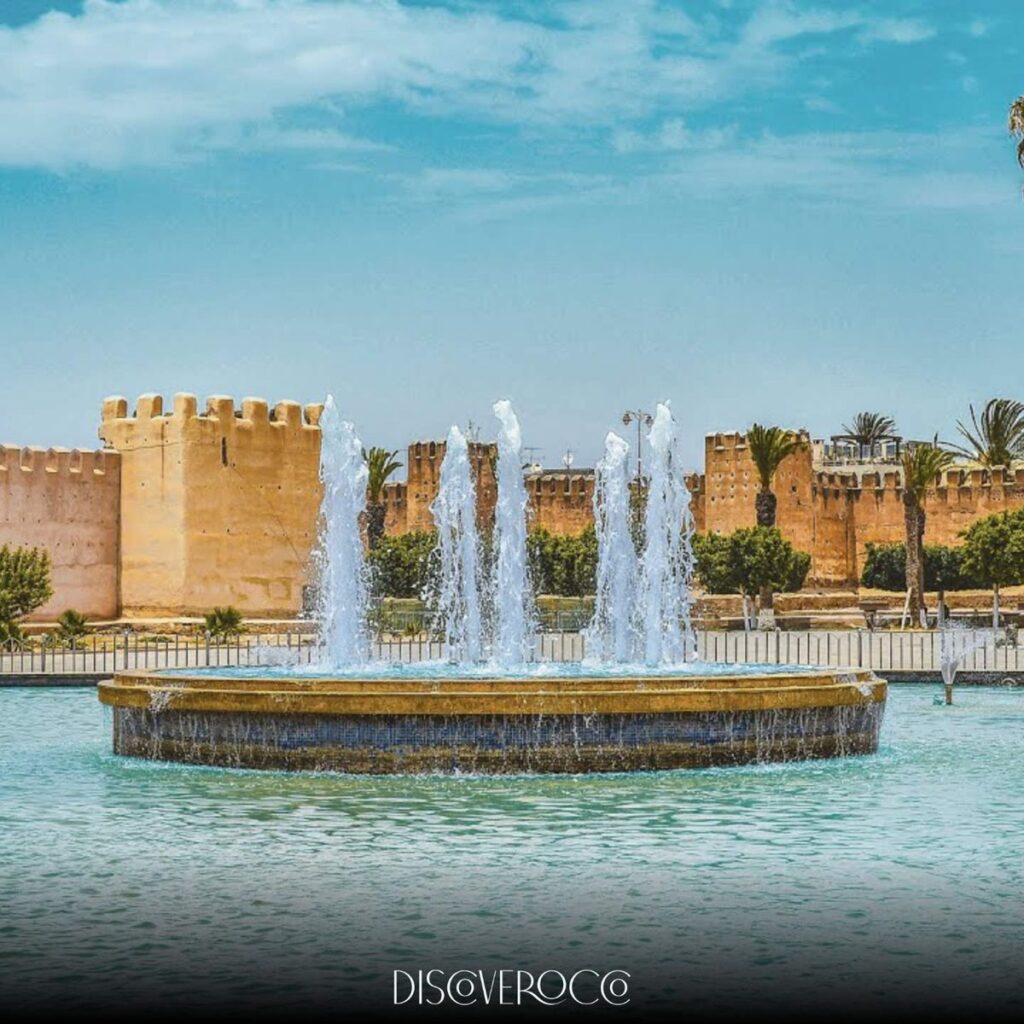
The first thing that strikes every visitor arriving in Taroudant is the sheer scale and beauty of the city’s ancient walls. Built and reinforced during the Saadian period in the 16th and 17th centuries, the ramparts rise to nearly 8 metres in places and are studded with towers and bastions. Unlike the walls of many Moroccan cities which have been heavily restored or partially demolished, Taroudant’s ramparts retain a powerful sense of raw, weathered authenticity — the pisé (rammed earth) construction gives them a warm, terracotta-golden colour that glows magnificently in the late afternoon sun.
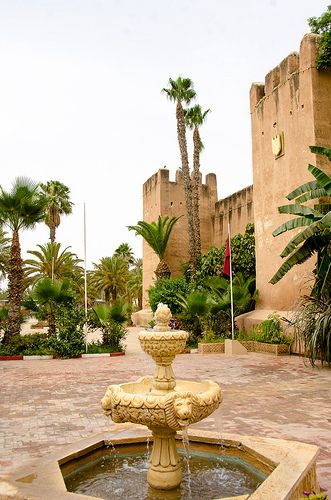
The best way to experience the ramparts is to walk or cycle around their full perimeter — a circuit of about 7.5 km that takes 2 to 3 hours on foot. Bicycles can be rented cheaply near the main squares. Alternatively, a calèche (horse-drawn carriage) ride around the walls is a wonderfully leisurely way to take in their full extent while a local guide points out the most significant gates, towers, and sections.
The Medina and Souks of Taroudant
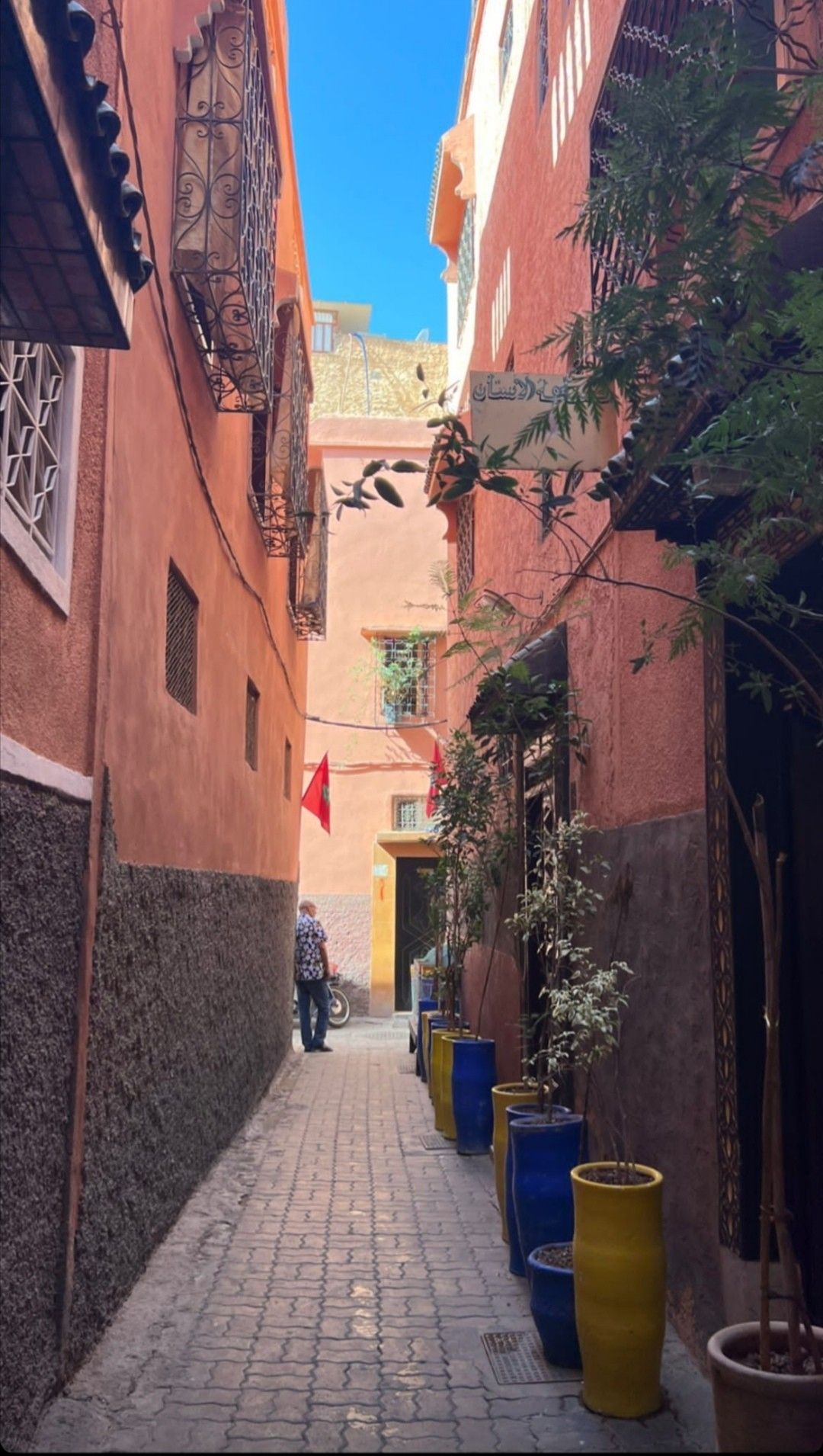
Inside the ramparts lies one of the most authentic and navigable medinas in Morocco. Unlike Fez or Marrakech, where tourists can feel overwhelmed and targeted at every turn, Taroudant’s medina is a genuinely local place — a working city where residents go about their daily lives largely unaffected by the modest flow of visitors. The streets are narrow, rose-coloured, and lined with trailing plants and painted doors, creating photographic opportunities around almost every corner.
The city has two main souks, both worth exploring in depth. The Arab souk (Souk Arab) focuses on spices, herbs, pottery, and everyday goods — this is where locals shop for food, household items, and traditional medicine. The Berber souk (Souk Berbère) is the place for handicrafts: silver jewellery, leather goods, woven Berber rugs, argan oil products, and the distinctive jewellery of the Souss region. Neither souk is as aggressively commercial as those in Marrakech, and bargaining here feels relaxed and genuinely friendly.
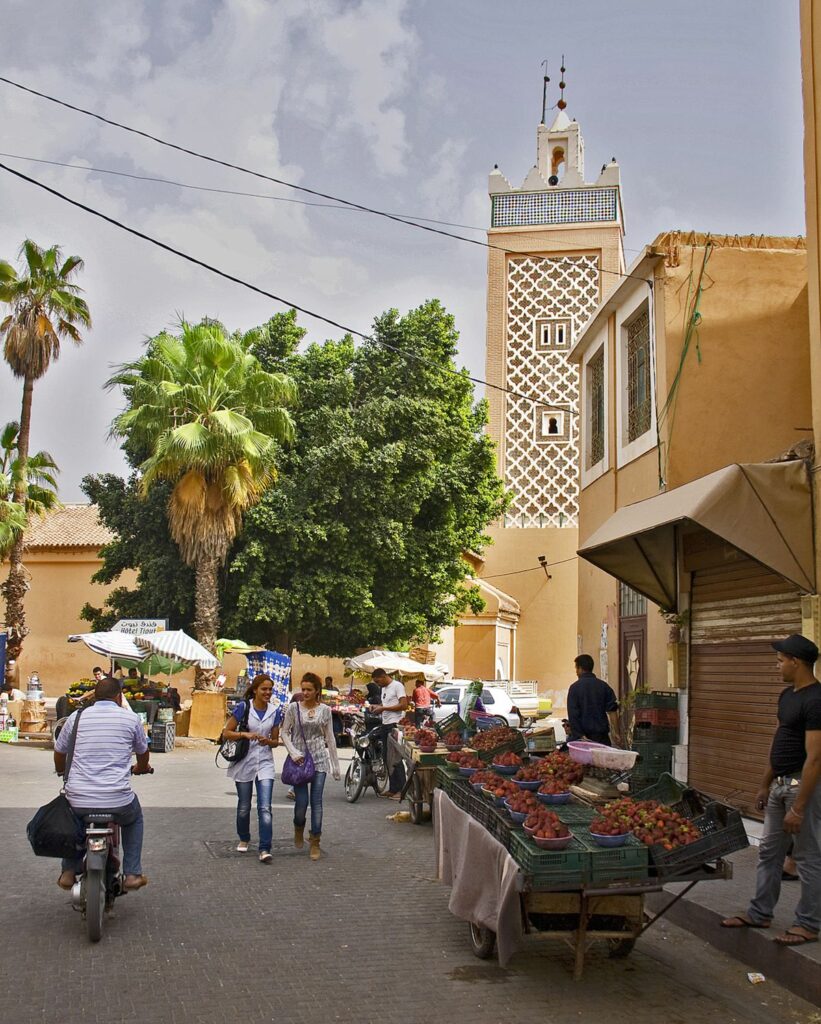
The main square, Place Assarag, is the social heart of Taroudant — ringed by café terraces, argan cooperatives, and money changers, it hums with activity from early morning until late at night. The adjacent Place Talmoklate is quieter and more local, with excellent simple restaurants serving traditional Souss cuisine.
Where to Stay in Taroudant
Taroudant has a wonderful selection of riads and guesthouses inside the medina walls, many of them converted from traditional Moroccan courtyard houses. Staying inside the medina gives you the full experience of the city — waking to the call to prayer, stepping directly into the souk, and experiencing the peaceful stillness of the old city after dark when the day-trippers have returned to Agadir.
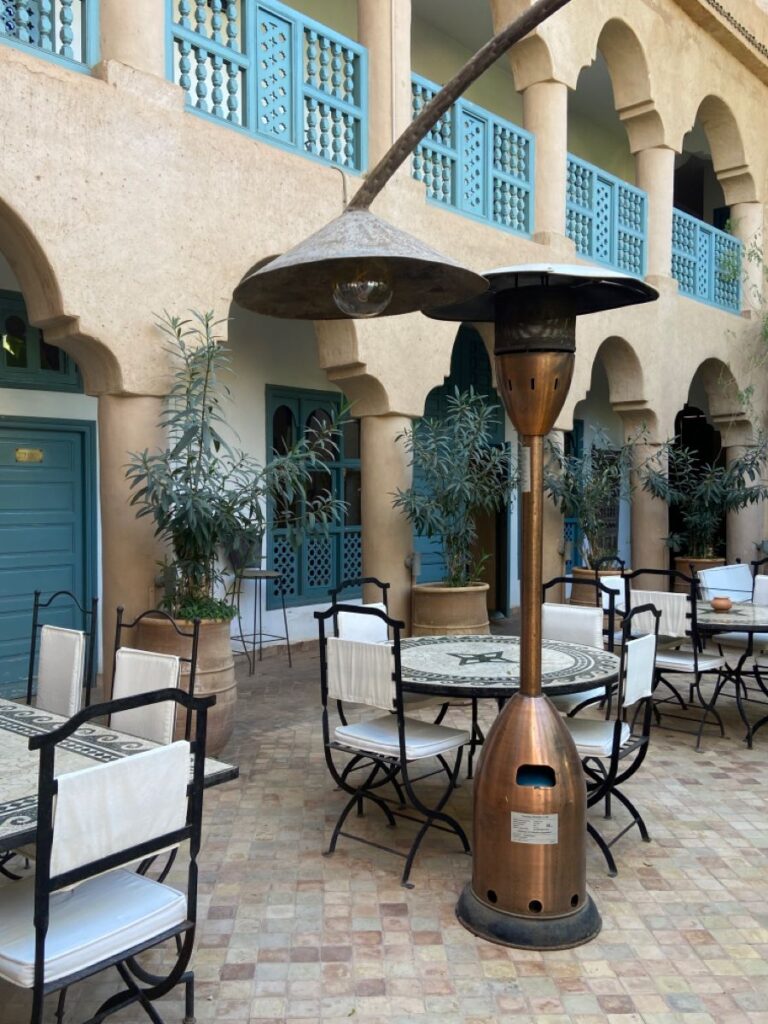
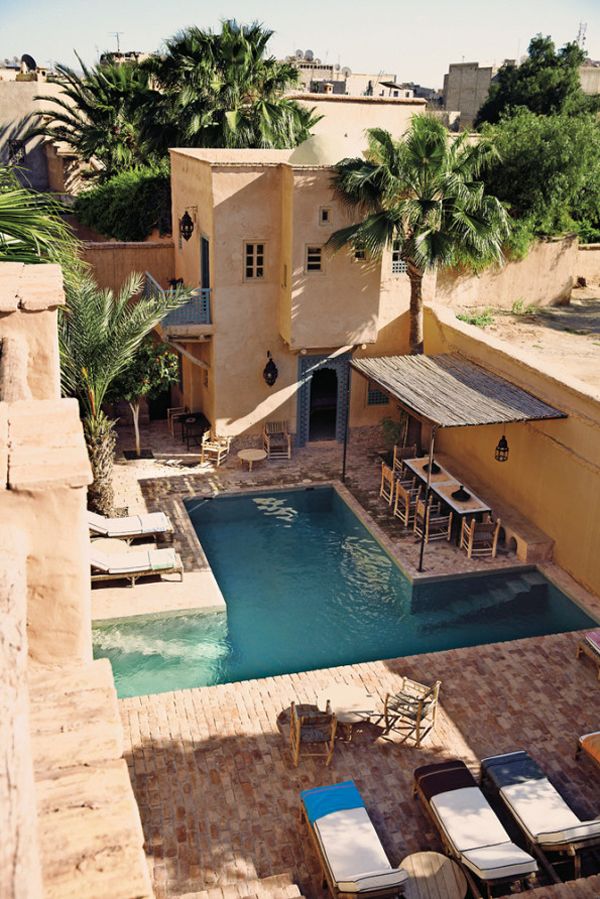
For a more luxurious experience, several exceptional boutique hotels operate in and around Taroudant. The most famous is the legendary La Gazelle d’Or, a colonial-era establishment set in magnificent gardens outside the city walls, long considered one of Morocco’s finest hotels. For mid-range travellers, a handful of beautifully converted riads within the medina offer outstanding value — rooftop terraces with Atlas views, plunge pools in tiled courtyards, and home-cooked Moroccan breakfasts that rival anything in the country.
Day Trips from Taroudant
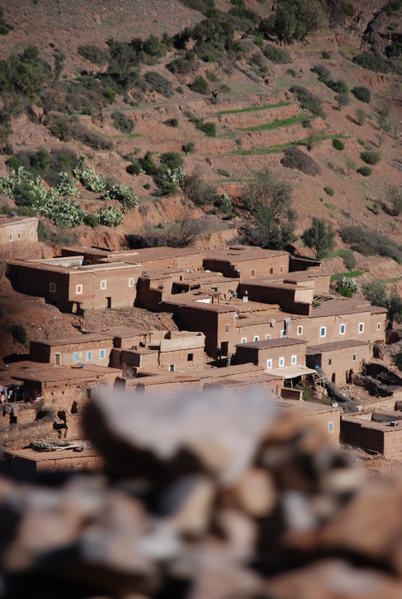
Taroudant is also an excellent base for exploring the wider Souss and Anti-Atlas region. The surrounding countryside is extraordinarily beautiful — a patchwork of argan forests, saffron fields, almond orchards, and traditional Berber villages clinging to mountain slopes.
The Tioute Oasis and Kasbah, about 37 km southeast of Taroudant, is a lush palm grove surrounding a restored 17th-century kasbah — a film location for several Moroccan productions and one of the most atmospheric spots in the region. The Freija Valley and the gorges of the Anti-Atlas offer spectacular hiking, while the road south over the Tizi n’Test pass (one of Morocco’s most dramatic mountain roads) connects Taroudant to Marrakech through breathtaking High Atlas scenery.
How to Get to Taroudant from Agadir
Getting from Agadir to Taroudant is straightforward and the journey takes approximately 1 hour 15 minutes by car along the N10 road through the Souss plain. Options include renting a car from Agadir (the most flexible choice), taking a shared grand taxi from Inezgane (the main transport hub south of Agadir), or joining an organised day tour from Agadir which typically includes the medina, souks, and sometimes the Tioute Oasis.
Taroudant works perfectly as a day trip from Agadir, but the city truly rewards those who stay overnight — once the day-trippers leave in the late afternoon, the medina takes on a magical, unhurried quality that is completely impossible to experience on a short visit.
Practical Information
- Distance from Agadir: 80 km, approximately 1h15 by car
- Best time to visit: October to April (avoid summer heat; winter brings snow on the Atlas backdrop)
- Market days: Thursday and Sunday are the main souk days
- Currency: Moroccan Dirham (MAD) — cash is essential in the medina
- Language: Arabic and Tachelhit Berber — some French is spoken in hotels and restaurants
- Recommended time: Minimum one full day; two days to include a surrounding day trip
Why Taroudant Should Be on Every Agadir Itinerary
There is a reason that experienced Morocco travellers consistently name Taroudant among the country’s most rewarding destinations. It offers the authentic, unhurried Moroccan experience that many visitors come seeking — but rarely find — in the more famous cities. The medina is real and lived-in. The souks are genuinely local. The people are welcoming without being commercially aggressive. And the setting, with those extraordinary ramparts glowing against the Atlas Mountains, is simply one of the most beautiful urban landscapes in North Africa.
If you are based in Agadir, Taroudant is the single most rewarding day trip you can make. Go early, stay late, get lost in the medina, drink mint tea on a rooftop, and let the city show you Morocco as it really is.
Have you visited Taroudant? Share your favourite spots and hidden gems in the comments below — we’d love to hear what you discovered!