In the Souss region of southern Morocco, silver does not merely decorate — it speaks. Every bracelet, every fibula, every amber bead worn by an Amazigh woman tells a story of identity, protection, wealth and belonging. Amazigh jewelry Morocco is one of the most powerful and beautiful artistic traditions in the world. In the Souss region of southern Morocco, silver does not merely decorate — it speaks.
This article takes you into the heart of this ancient tradition — its symbols, its materials, its meaning and its enduring presence in the daily life of the Souss-Massa region around Agadir.
Silver as a Language
For the Amazigh people of southern Morocco, jewelry is never merely ornamental. Each piece worn by a woman communicates her social status, her tribal origins, her marital situation and even her spiritual beliefs. A young unmarried woman wears lighter, simpler pieces. A bride on her wedding day is adorned from head to toe in the full weight of her family’s heritage. A widow removes her most precious pieces as a sign of mourning.
Silver is the metal of choice — considered pure, protective and spiritually powerful. Gold, by contrast, is associated with Arab culture and is less common in traditional Amazigh adornment. The artisans who work silver in the Souss region — known as tindayn in Tamazight — are among the most skilled craftsmen in Morocco.
The Amber Necklace: Memory in Beads
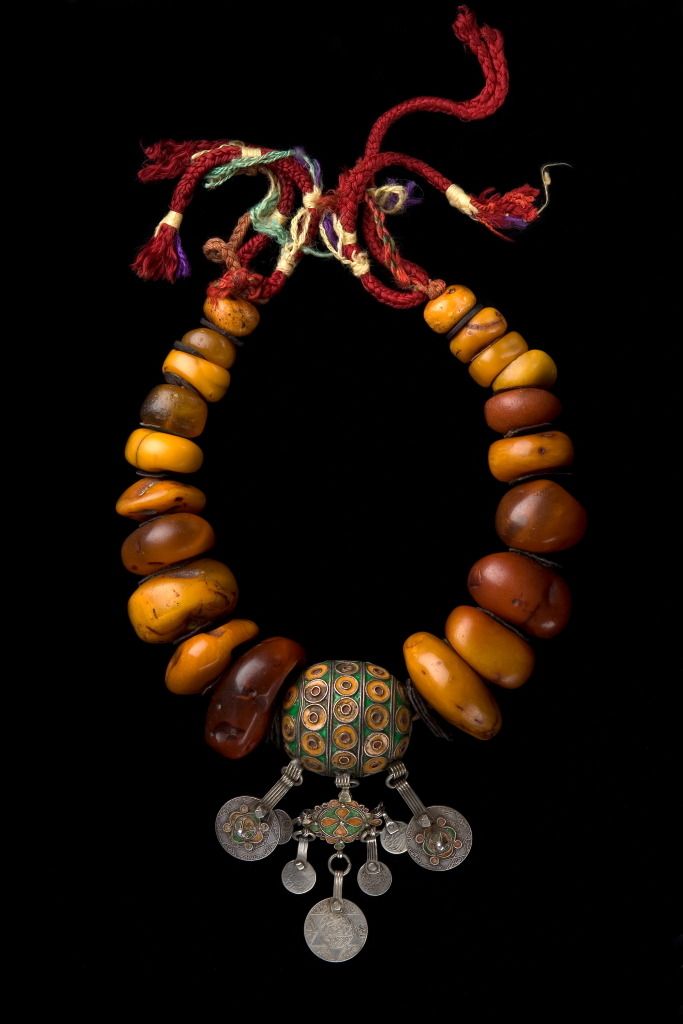
One of the most iconic pieces of Amazigh jewelry is the amber necklace — a heavy, magnificent collar of golden-brown copal resin beads strung together and finished with an elaborate silver pendant. The amber itself — known as tazra in Tamazight — is not always genuine Baltic amber. Much of it is copal resin, traded across the Sahara for centuries along the ancient caravan routes that connected sub-Saharan Africa with the Mediterranean world.
The pendant hanging from the center of the necklace is often a masterpiece in itself: a domed silver medallion decorated with enamel in green, orange and black, surrounded by hanging coins and geometric charms. These coins are typically old Moroccan or European silver coins — Spanish reales, French francs or Moroccan riyals — incorporated into jewelry as a way of preserving family wealth in wearable form.
The amber necklace is traditionally passed from mother to daughter, accumulating meaning and memory with each generation. It is worn at weddings, festivals and important family ceremonies. To see one is to see centuries of history resting on a woman’s chest.
The Silver Crown: A Queen for a Day
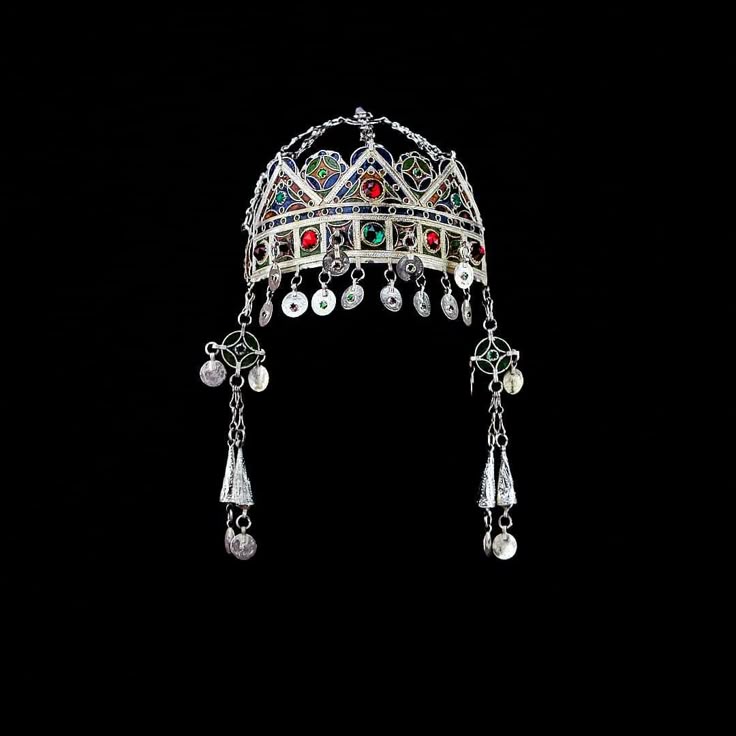
The silver crown — called tadount or taqendust depending on the region — is one of the most spectacular pieces in the Amazigh jewelry tradition. Worn exclusively by brides on their wedding day, it transforms a young woman into a vision of regal beauty, connecting her to the queens and heroines of Amazigh history and mythology.
The crown is constructed from fine silver wire, decorated with colored glass stones in red, green and blue, and finished with long chains of hanging coins and silver bells that shimmer and ring with every movement. The sound of the coins is considered auspicious — a musical announcement of celebration and joy.
Each crown is unique, handcrafted by a local silversmith according to the traditions of the specific tribe or village. Some crowns are passed down through generations; others are commissioned new for each bride. In either case, they represent an extraordinary investment of skill, time and material.
The Fibula: Where Function Meets Art
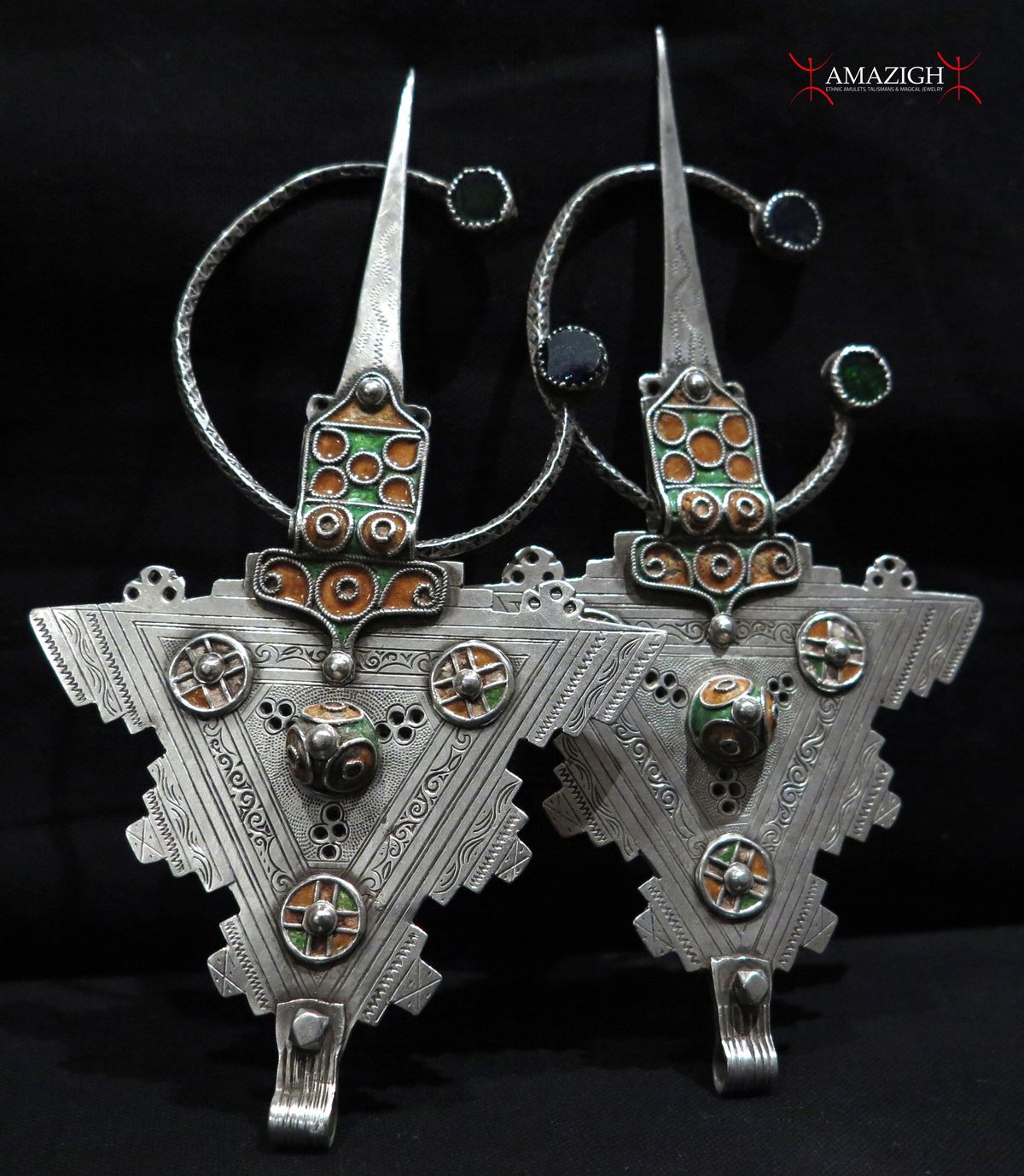
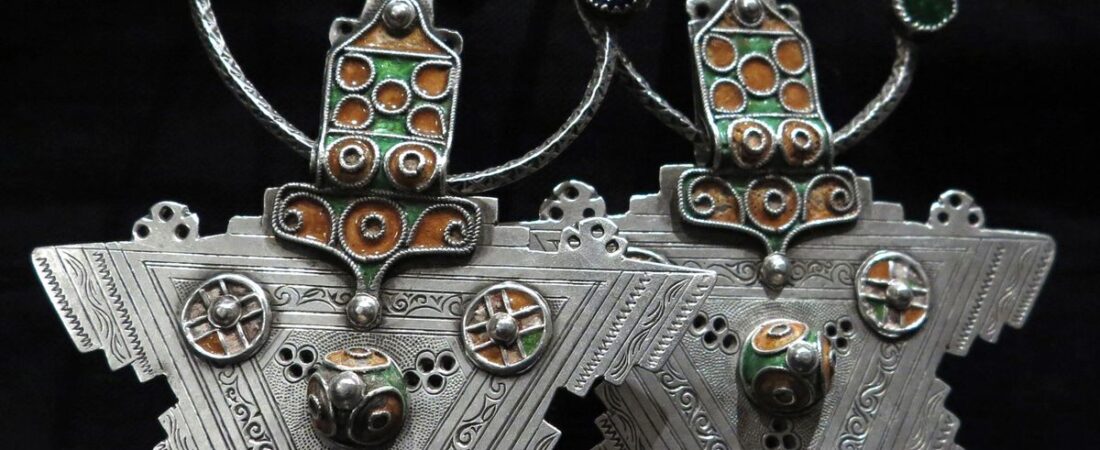
The fibula — known as tizerzai in Tamazight — is perhaps the most distinctive and recognizable piece of Amazigh jewelry. These large triangular silver brooches are used to fasten the traditional woolen robe worn by women across the Souss region. They come in pairs, connected by a chain that crosses the chest, and are among the most technically complex pieces produced by Amazigh silversmiths.
The triangular shape is itself deeply symbolic. In Amazigh cosmology, the triangle represents femininity, fertility and protection. The elaborate geometric engravings covering the surface of each fibula — circles, diamonds, zigzags and spirals — are not merely decorative: they are ancient symbols with specific protective meanings, some of which predate Islam by thousands of years.
The finest fibulae are decorated with cloisonne enamel in green, orange and black — a technique requiring extraordinary skill in which colored glass paste is fused into silver compartments and fired at high temperatures. The result is a jewel of stunning beauty that can take a master craftsman several weeks to complete.
The Weight of Adornment: Women as Living Archives
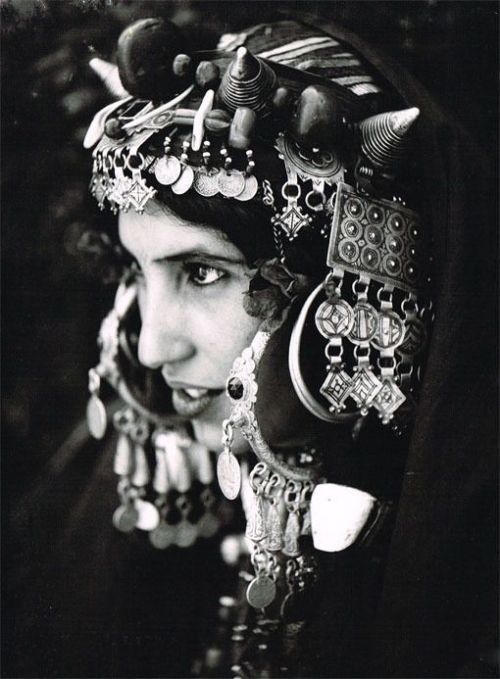
To see an Amazigh woman in full traditional jewelry is to witness something extraordinary. The combined weight of silver, amber, coral and coins can exceed several kilograms. Far from being a burden, this weight is worn with pride — a physical manifestation of a family’s history, prosperity and taste.
Each piece in the ensemble has its place. The crown sits on the head. The fibulae fasten the robe at the shoulders. The amber necklace rests on the chest. Coin necklaces layer below. Silver bracelets stack on the wrists. Anklets circle the feet. Together, they form a complete visual language that any member of the community can read at a glance.
The tradition of wearing all pieces simultaneously — particularly at weddings and moussems (religious festivals) — is a way of asserting cultural identity, celebrating community and honoring the ancestors who crafted and wore these same pieces generations ago.
Living Traditions in the Souss Region
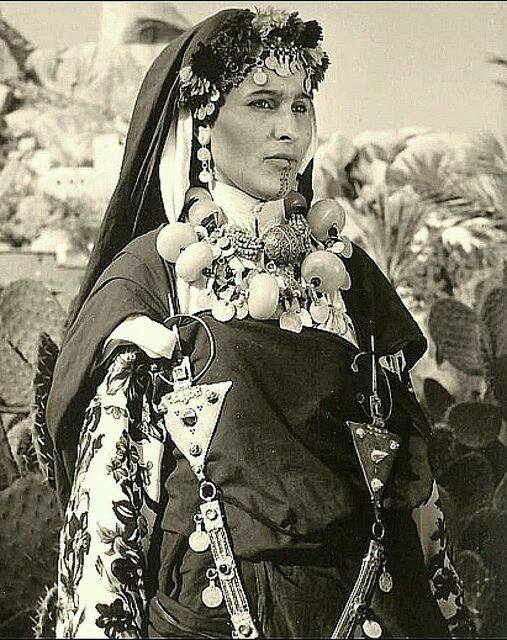
In the villages and small towns of the Souss-Massa region around Agadir, the tradition of Amazigh jewelry remains very much alive. While younger generations in the cities increasingly wear modern jewelry for everyday life, traditional pieces are still brought out for weddings, moussems, circumcision ceremonies and other important family events.
The souk in Tiznit — a town 90 km south of Agadir — remains one of the most important centers of Amazigh silversmithing in Morocco. The jewelers’ quarter in the old medina is home to dozens of workshops where craftsmen still practice techniques passed down through generations. A visit to Tiznit is essential for anyone interested in understanding and purchasing authentic Amazigh jewelry.
In Agadir itself, the Amazigh Heritage Museum houses one of the finest collections of traditional jewelry in Morocco, with pieces spanning several centuries and multiple regional styles. A visit to the museum before shopping at the souk will give you the knowledge to appreciate what you are seeing and make more informed choices.
The Changing World of Amazigh Jewelry
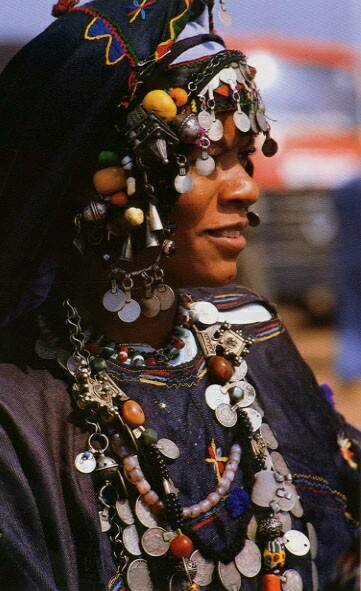
Like all living traditions, Amazigh jewelry is evolving. Economic pressures have led some craftsmen to use white metal alloys instead of pure silver, and mass-produced pieces have appeared in tourist markets alongside authentic handcrafted work. Distinguishing between the two requires knowledge and a trained eye.
At the same time, a new generation of Amazigh designers and artists is finding ways to reinterpret traditional motifs and techniques for contemporary audiences. Geometric Amazigh symbols are appearing in modern jewelry, fashion and graphic design — a sign of a culture asserting its identity and sharing its beauty with the world.
For visitors to Agadir and the Souss-Massa region, Amazigh jewelry offers a profound entry point into a culture that is ancient, sophisticated and very much alive. Whether you purchase a simple amber bead bracelet or commission a handcrafted silver fibula from a Tiznit craftsman, you take home something that carries the weight of thousands of years of human creativity and meaning.
Where to See and Buy Authentic Amazigh Jewelry
- Amazigh Heritage Museum, Agadir — The best starting point. Study authentic historic pieces before buying anything.
- Souk El Had, Agadir — Large selection of jewelry at various price points. Bargaining expected.
- Tiznit Jewelers Souk — The finest and most authentic silversmithing in southern Morocco. 90 km south of Agadir.
- Taroudant Souk — Excellent selection of regional jewelry in a less touristy atmosphere. 80 km east of Agadir.
For more information about Amazigh culture and the Souss-Massa region, visit Visit Morocco or explore our other articles on Explora Agadir.